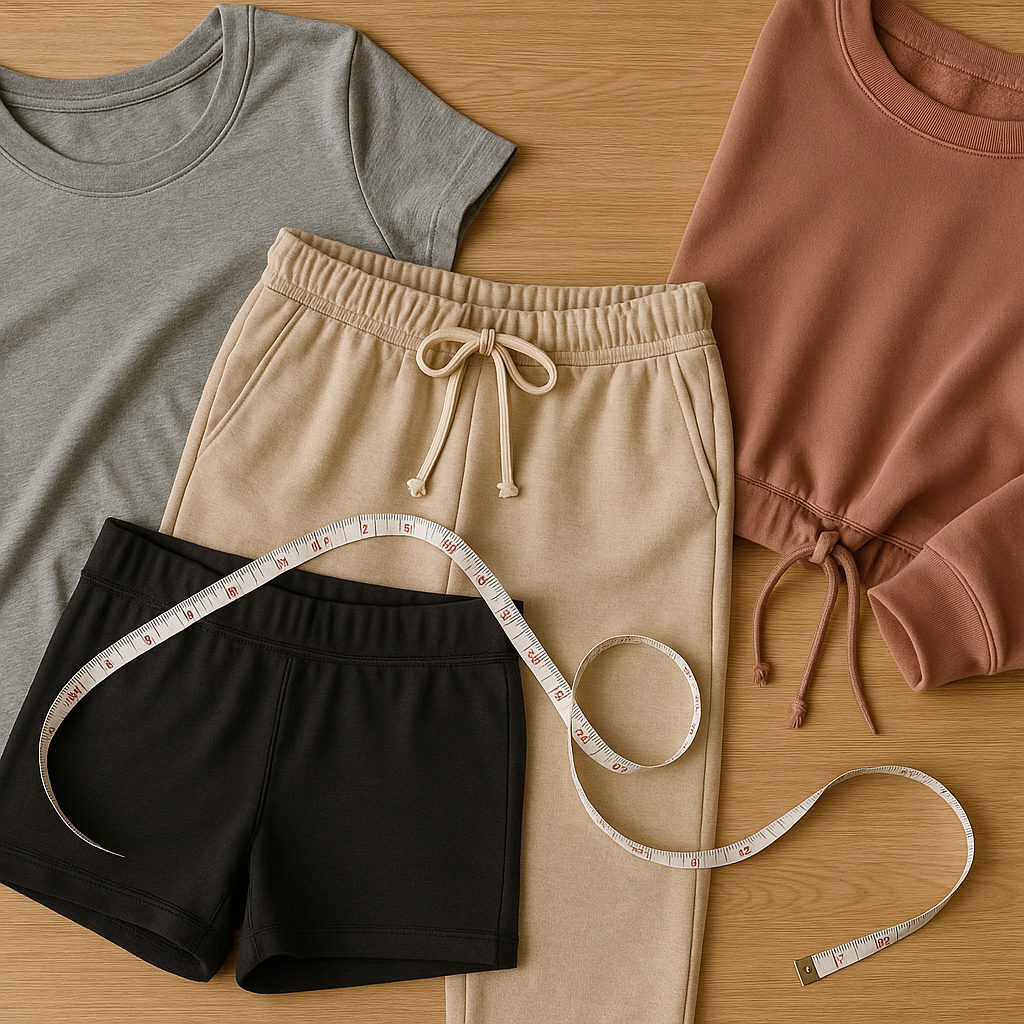
Discover how comfortable clothing boosts confidence, enhances well-being, and fits every lifestyle. From soft fabrics to versatile styles, learn why comfort is the future of fashion.
Comfortable Clothing
In today’s fast-paced world, comfortable clothing has become more than just a luxury—it’s a necessity. Whether you’re working from home, running errands, or relaxing with loved ones, what you wear plays a significant role in how you feel. Gone are the days when fashion had to hurt to look good. Now, style and comfort go hand-in-hand, giving people the freedom to express themselves while feeling at ease. From soft fabrics to flexible fits, comfortable clothing provides the support we need for both mental and physical well-being. Let’s dive deeper into what makes clothing comfortable and why it matters so much.
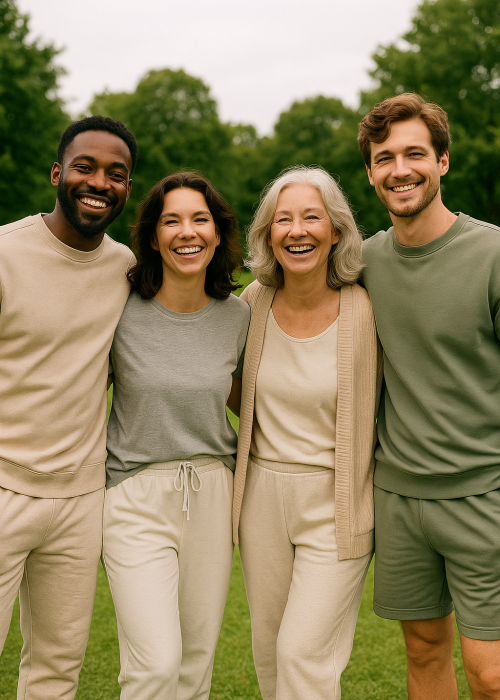
The Rise of Comfortable Clothing in Everyday Life
In recent years, the demand for comfortable clothing has skyrocketed. This shift became especially noticeable during the global pandemic when people began prioritizing comfort over formality. Remote work and stay-at-home lifestyles made sweatpants, oversized shirts, and stretchy leggings wardrobe essentials. This change in preference highlighted a deeper truth: when we feel physically comfortable, our productivity and mood improve. Comfortable clothing no longer means sloppy or unprofessional. Brands have evolved, designing stylish pieces that don’t sacrifice comfort. With breathable fabrics and relaxed silhouettes, people now choose clothes that match their lifestyles while keeping them cozy throughout the day.
What Makes Clothing Truly Comfortable?
The term comfortable clothing isn’t just about loose-fitting garments. True comfort comes from a combination of fabric, fit, function, and flexibility. Natural materials like cotton, bamboo, and modal are known for their softness and breathability, making them ideal choices. Additionally, well-designed clothes should not pinch, ride up, or require constant adjustment. Stretchability is also key—clothes should move with your body, not restrict it. Seams, tags, and waistbands are often overlooked but can greatly impact comfort. When all these elements align, the result is clothing that feels like a second skin. That’s the magic of truly comfortable clothing.
The Psychological Benefits of Comfortable Clothing
Wearing comfortable clothing doesn’t just impact your physical state; it also influences your mental well-being. Studies have shown that people feel more confident, relaxed, and productive when they are dressed in clothes that feel good. This is often referred to as “enclothed cognition,” a psychological phenomenon where clothing affects the wearer’s mindset. When you don’t have to worry about adjusting tight jeans or stiff collars, your focus shifts to what really matters—your tasks, relationships, and goals. In essence, comfortable clothing can be a tool for self-care and personal empowerment. It’s about feeling good from the inside out.
10. Timeless Accessories
Comfortable Clothing for Every Occasion
Some people think comfortable clothing is only suitable for lounging at home, but that’s no longer the case. Designers are now creating versatile collections that balance style and comfort for all settings. From casual brunches to office meetings and even formal events, there’s a comfortable outfit for every scenario. Think flowy dresses, stretch-blend suits, and soft-knit tops that look sharp but feel relaxed. This evolution means you don’t have to compromise your style to stay comfortable. Instead, you can dress for success—and comfort—no matter where you’re going. The future of fashion is flexible, and comfortable clothing leads the way.
Choosing the Right Comfortable Clothing for Your Body
Everyone’s body is different – there’s no one-size-fits-all when it comes to comfort.
Find styles and fabrics that match your body shape and personal preferences.
Look for adjustable features like:
Elastic waistbands
Drawstrings
Stretch panels
Choose breathable, soft fabrics that work well with your skin type and local climate.
Try clothes on before buying or read detailed reviews when shopping online for a better fit.
Comfort is personal – what’s cozy for one person may not work for another.
Build a wardrobe that reflects your own standards of comfort and confidence.
- click here for more details:-https://curvekart.in/colors-plus-confidence-how-to-transform-any-outfit/
Sustainable and Comfortable: A Perfect Match
In addition to feeling good, comfortable clothing can also do good—for the planet. Many brands now focus on creating sustainable clothing that’s both ethical and comfortable. Fabrics like organic cotton, Tencel, and recycled polyester are being used to craft garments that are kind to your skin and the environment. These materials are often free from harsh chemicals and produced using eco-friendly processes. Choosing sustainable comfortable clothing means you’re not only investing in your own well-being but also contributing to a better future. It’s a win-win situation where comfort and conscience come together seamlessly.
Comfortable Clothing and the Work-From-Home Revolution
With remote work becoming more common, the demand for comfortable clothing in professional settings has grown. Traditional suits and heels are being replaced with elevated loungewear and smart-casual options. Brands are creating office-appropriate joggers, hybrid blazers, and ergonomic fabrics that let you look polished while staying comfy. This shift reflects a broader cultural change—where comfort is no longer seen as laziness, but rather a sign of self-awareness and modernity. Comfortable clothing is now a part of professional attire, helping workers feel confident and capable from their home office to the boardroom.